One of the most common questions among women who have had a breast augmentation is whether there is a fixed point in time at which the implants have to be replaced. It used to be common to talk about replacing implants after about ten years, but today there is no medical rule that says breast implants must be replaced automatically after a given period.
Breast implants are not necessarily meant to stay in the body for life, but they do not have a fixed “expiry date” either. The FDA notes that the longer an implant stays in the body, the higher the chance of complications that would require further surgery, removal of the implant or its replacement.
Do implants need to be replaced after 10 years?
Not necessarily. A woman who had a breast augmentation ten years ago, feels well, is happy with the appearance of her breasts and whose check-ups are normal is not required to replace the implants simply because a decade has passed since the operation.
The decision is made according to the condition of the implants, the condition of the tissue, the results of the check-ups and the changes that have taken place over the years. In some cases the implants can stay sound well beyond ten years, and in others they will need to be replaced earlier.
So the age of the implant is a fact to take into account, but it is not the only reason for a replacement operation.
Before and after photos - implant replacement
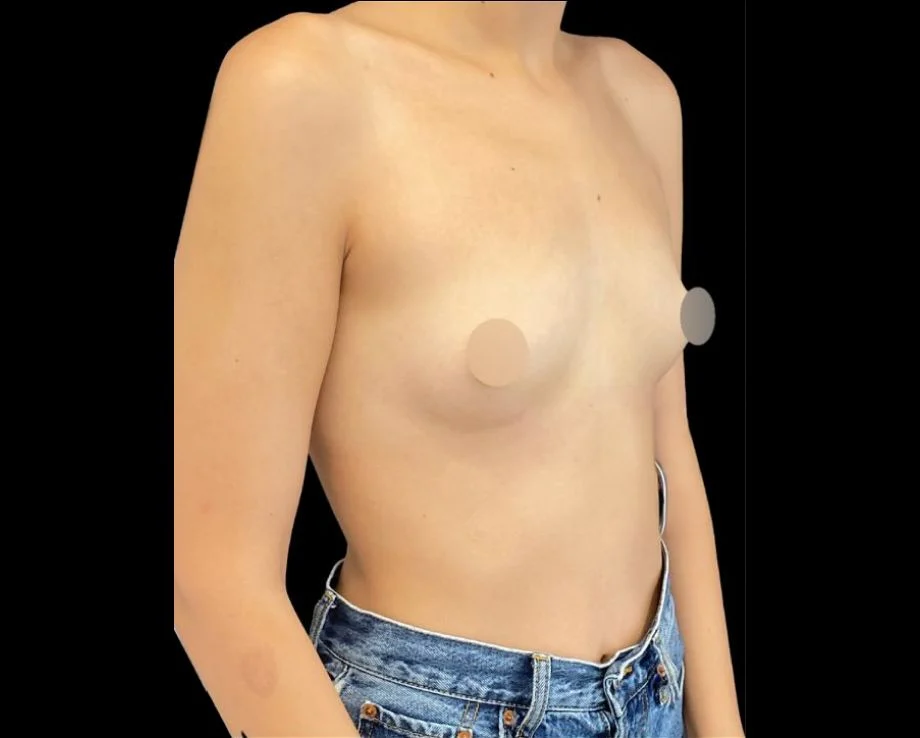
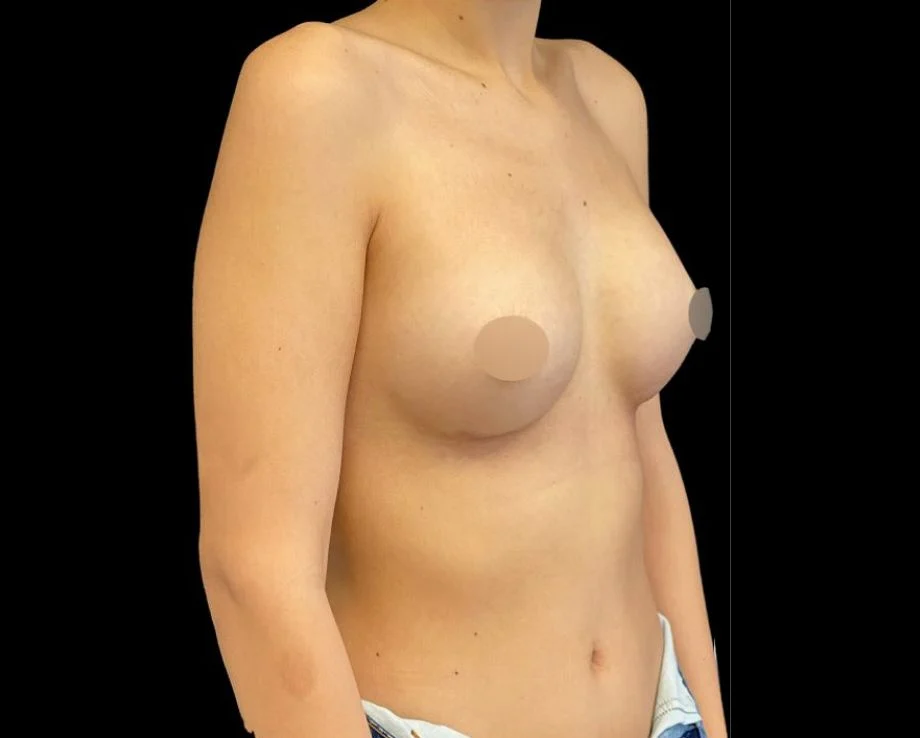
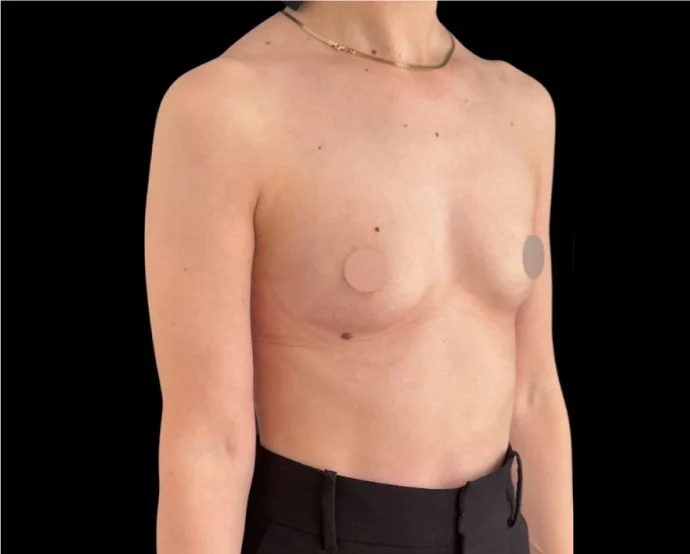
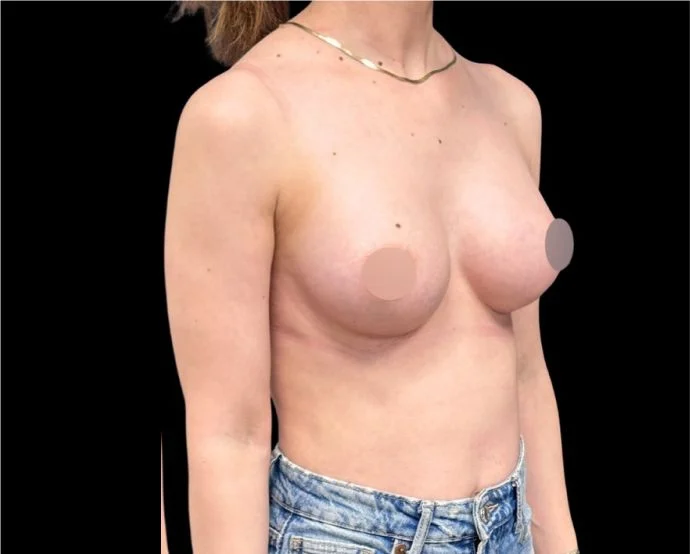
When should the option of replacing implants be looked into?
There are several situations in which it is advisable to see a plastic surgeon and check whether a replacement is needed:
- A rupture or a leak of the implant – in silicone implants the rupture can have no clear signs, which is why it is sometimes only found on imaging.
- Hardening of the breast – significant hardening may be caused by a capsule that has contracted around the implant. In advanced cases it can also cause pain and a change in the shape of the breast.
- A change in the shape or the size of one of the breasts – a new change in asymmetry, in the position of the implant or in the shape of the breast justifies an examination.
- Pain, swelling or tenderness that does not pass – new symptoms in the area of the implants should be examined, and not automatically attributed to the age of the implant.
- A change in personal preference – sometimes the implants themselves are sound, but the patient wants to go smaller, to go larger, to have them removed or to change the existing result.
A rupture in a silicone implant is not always noticeable. According to the FDA, it may show up as a change in the shape or the size of the breast, lumps, pain, swelling, tingling or hardening — but there are also ruptures that cause no symptoms at all.

Book a consultation with Dr. Oanna Meyer — leave your details:
I invite you to leave your details so we can get to know each other, understand what matters to you, and explore together what suits you best.
What is a capsule, and when can it lead to replacing implants?
After an implant is placed, the body naturally forms a layer of scar tissue around it. In some women that layer contracts and becomes harder. This is called capsular contracture.
When the contracture is mild and causes no pain or significant change in the shape of the breast, surgical treatment is not always needed. When the breast becomes hard or painful, or changes shape, the doctor may recommend an operation that treats the capsule and sometimes also removes or replaces the implant.
How do you know whether a silicone implant has ruptured?
Unlike a saline implant, where a drop in the volume of the breast is usually visible, a rupture in a silicone implant can be “silent”. That is, the implant ruptures without any clear change in the appearance of the breast and without the patient noticing.
According to the FDA guidelines, women with silicone implants and no symptoms are advised to have a first ultrasound or MRI about 5–6 years after the operation, and then to repeat the examination every 2–3 years. When there are symptoms, or when the ultrasound result is inconclusive, an MRI can be used for further investigation.
Follow-up does not mean the implants will necessarily have to be replaced. Its purpose is to check their condition even when there is no particular complaint.
Can changes in the body lead to replacing the implants?
Absolutely. Even when the implant itself stays sound, the breast keeps changing over the years. Pregnancies, breastfeeding, changes in weight, age and changes in the quality of the skin can all affect the position and the shape of the breast.
In such cases an implant replacement can be carried out as part of a further operation — a breast lift, for example, or a change in the size of the implants. In certain cases the implants can also be removed without placing new ones. The choice depends on the condition of the breast and on the result the patient wants.
And what about textured implants?
Women who know they have implants with a textured shell may hear about the link between this type of implant and BIA-ALCL, a rare type of lymphoma that develops in the area of the capsule or in the fluid around the implant. According to the FDA, the risk is higher with textured implants than with smooth ones.
Even so, the FDA does not recommend removing implants automatically just because they are textured in patients who have no symptoms. Persistent swelling, a lump, pain or a new change in the area of the breast do call for a medical examination.
Replacing implants is not something to do by the calendar
The decision to replace breast implants should be based on an examination, not only on the number of years since the operation. There is no obligation to replace implants after ten years if they are sound and there is no medical problem or change the patient wants to correct.
On the other hand, even when everything looks fine from the outside, it is important to keep up the follow-up according to the type of implant and the doctor's guidance. Pain, hardening, swelling, a change in shape or in asymmetry are a reason to come in for an examination rather than to wait for the next routine check-up.
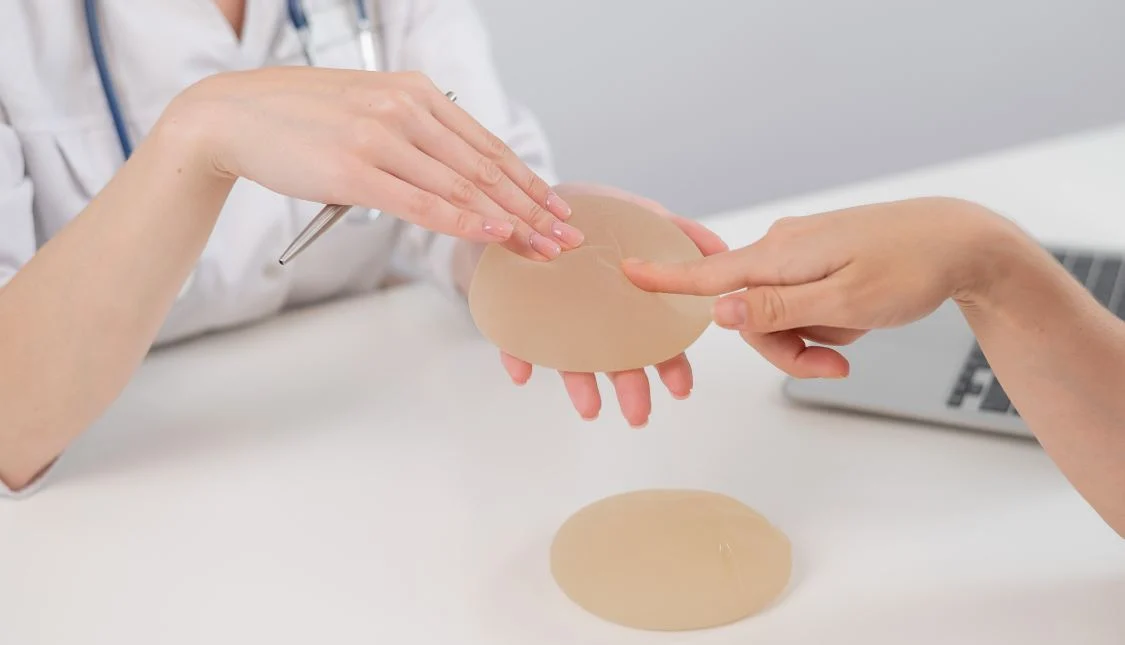
At an appointment with a plastic surgeon the condition of the breast and the implants can be assessed, previous check-ups reviewed and, if needed, imaging arranged. Only after that can it be decided whether the implants need to be replaced, whether further treatment is needed, or whether follow-up alone is enough.
Patients recommend
 5.0
 4.9
בחרתי בדר’ אואנה מאייר בעקבות המלצות, ואני שמחה לומר שלא טעיתי. דר’ מאייר רופאה אדיבה, מקצועית וקשובה. היא הסבירה לי בסבלנות על התהליך, ענתה על כל השאלות וקבענו מועד לניתוח.
גם הצוות במרפאה היה מקסים, ותמיד אפשר היה להתקשר ולקבל מענה
זו המלצה חמה והבעת תודה לד״ר אואנה מאייר.
הגעתי לאואנה ע״ס המלצה מחברה שעבדה איתה, וכמו כן, לאחר שבחנתי עשרות מנתחים להגדלת חזה.
כשנכנסים לקליניקה מיד מתקבלים בסבר פנים יפות ונעימות.
ד״ר אואנה סופר מקצועית, יסודית
המלצה חמה מכל הלב שלי על ד״ר אואנה מאייר .
רופאה מקצועית נעימה ומדוייקת .
אני 3 חודשים אחרי ניתוח הגדלת חזה 200cc ואין מרוצה ממני .
תודה על חוויה מושלמת ותוצאה עוד יותר .
שנים שחששתי מהניתוח הזה , מתקופת
ד״ר מאייר! אין לי מילים להודות לך.. בחרתי בך אחרי המלצות רבות עלייך. לא היה לי ספק שאת תיהי המנתחת שלי. נעימת הליכות, מרגיעה, והכי חשוב אמנית , מנתחת אלופה , והתוצאה מדברת בעד עצמה. ממליצה בחום .
שוב פעם תודה! את מלאך בדמות אדם
''After consulting with 3 plastic surgeons, I met Dr Oanna Meyer and the first consultation was amazing. She took time to answer all my questions and explain in details about a breast reduction. She was very professional and caring. My surgery was successful and the
החוויה שלי מד"ר אואנה מאייר הייתה מאוד חיובית! קודם כל, בקליניקה שלה נמצאת שגית היקרה, שעזרה לי לקבוע תור בתאריך שהכי התאים לי והייתה זמינה עבורי לכל שאלה לאורך הדרך. ד"ר אואנה קיבלה אותי בחיוך, בסבלנות ובמקצועיות, והרגשתי שאני בידיים טובות לאורך כל התהליך. וכמובן, התוצאה פשוט מהממת ואני מאוד
בס״ד ממליצה בחום גדול על ד״ר אואנה ועל המזכירה שגית מקצועיות, יחס אישי ומאיר פנים, מקשיב ומרגיע, איכות, זמינות גבוהה, סבלנות, הרגעה, הכלה, תוצאות, הכל:) תודה רבה
אני מאוד מרוצה מהניתוח ומהתוצאה. ד”ר אואנה מקצועית, סבלנית ואכפתית, והצוות שלה מקסים, זמין ומלווה לאורך כל התהליך. תודה רבה על היחס החם והטיפול המעולה! ממליצה בחום!
ד״ר אואנה ניתחה אותי לפני מספר חודשים,הגדלת חזה גם הליווי המקדים וגם הניתוח עצמו והליווי לאחר מכן היה תהליך מדהים היא רופאה ברמה מאד גבוהה, פדנטית ומדוייקת להפליא גם ההחלמה והצלקת כמעט ולא נראית
עשיתי אצל ד״ר אואנה ניתוח להגדלת חזה. אחרי הפגישה הראשונה החלטתי שאני עושה את הניתוח רק אצלה. קיבלתי תוצאה בדיוק כמו שרציתי — טבעית ועדינה, עם תהליך החלמה מאוד פשוט וכמעט ללא כאבים. הבחירה הכי טובה, ממליצה בחום
נותחתי אצל ד״ר אואנה המדהימה לפני מספר שנים. עשיתי ניתוח להקטנת חזה ששינה את חיי! אני ממליצה עליה בחום, גם מבחינה אישית וכמובן מבחינת התוצאה שרק יכלתי לחלום עליה
ד״ר אואנה היא האמנית מספר 1!!! התנתחתי אצלה לפני שבועיים כל היחס בייעוצים והדיוק שלה להבין את מה שאני רוצה עכשיו בא לידי ביטוי בתוצאה! יותר טוב ממה שדמיינתי בכלל!!!!! ממליצה מכל הלב! אני חוגגת ולא מפסיקה להודות לה על העבודה המושלמת שעשתה איתי
Book a consultation with Dr. Oanna Meyer — leave your details:
I invite you to leave your details so we can get to know each other, understand what matters to you, and explore together what suits you best.
Frequently asked questions
How often do breast implants need to be replaced?
There is no fixed period after which implants have to be replaced. The decision depends on the condition of the implants, the results of the check-ups and the changes in the breast over the years.
Do implants have to be replaced after 10 years?
No. If the implants are sound, there are no symptoms and the check-ups are normal, there is no obligation to replace them simply because ten years have passed.
How do you know whether a breast implant has ruptured?
A rupture can cause a change in shape, pain, hardening or swelling, but sometimes there are no signs at all. In those cases the rupture can be identified with an ultrasound or an MRI.
Can implants be removed without putting new ones in?
Yes. Implants can be removed without being replaced, depending on the condition of the breast, the quality of the tissue and the result the patient wants.